Have you ever wondered,
“Where/who do I come from?”
Have you ever reflected on your sense of
identity and belonging
relative to a time, place, or people?
Do you ever feel lost in today’s world where
people feel disconnected
from each other, and the past?
Family History: an Introduction is an introduction to
genealogy and modern family history
and the research methods used to learn more about
the lives of our ancestors and communities over time.
The primary objective of this class will be to
apply genealogical research methods to
uncover details about our
ancestors and communities
that we can find rootedness and identity in,
and a greater sense of self that persists through time and place.
In today’s social world—driven by economic systems that require isolating individuals from each other and themselves in order to extract as much profit as possible—we are often left feeling disconnected and without a sense of continuity with each other and the shared past we all descend from.
Family History: an Introduction is intended to help address that isolation and disconnection by enabling a deeper understanding of the past, and hopefully, a deeper understanding of yourself and how you fit into the history of your family, and human history itself!
Through this class, you will learn how to use genealogical methods and tools to make discoveries about your ancestors and their communities. In the process, you will find humanity, compassion, and commonality with those who came before.
Class Details
June 25th - August 6th / Thursdays 6-7:30PM
What’s entailed:
The first two classes will be conversation and lecture-based to introduce you to the topic of family history/genealogy research
The remaining 4 classes following will dive deep on specific methods, tools, and approaches that you can apply to your research as you become more familiar with the process
You will apply what you learn as you go, growing your family tree and progressing your knowledge along the way
Is this class for me?
If you’re reading this, that means you are a descendent of many thousands of people, and that means you have family history. If you don’t want to explore your family history, you can apply the same research methods to doing community and house histories. There is something for everyone.
What if I don’t know anything about my ancestors or family?
You’d be surprised how much you can discover with even just a kernel of information like a name, date, location, etc.! This class will teach you how to find information when you don’t know what you don’t know.
What if I’m adopted or someone in my family was adopted?
Human relationships are complex, and adoption or non-parental-events (NPEs) are common. Whether you have some or no knowledge about the adoption/NPE, you can still leverage the research skills you will learn in this class to find information about your family history.
Every adoption/NPE event is unique and while I can’t guarantee that you’ll find everything you’re looking for, you’ll at least walk away from this class with the skills and knowledge that discoveries are possible.
Will there be records for my ancestors?
Family history research is dependent on having some kind of available records. Not all cultures, countries, and societies have had the same practices for documenting/preserving records, making available content variable based on your family’s ethnic and national background, but also the complexities of historical context as well; wars/conflicts, colonization, natural disasters, etc., all can impact record availability.
The reality is that western European countries tend to have more record availability as a result of their colonization practices throughout history. Those who descend from these countries (or the ones they colonized) tend to have more available records that can make their research a little easier.
If you don’t descend from a western European country, do not fret! Family history is more than records. Oral histories, memories, and other forms of documentation are just as valid in building your history even without records.
My ancestors were colonized and/or possibly enslaved. What does this mean for me?
If your family has been in the U.S. for more than five generations, it is highly likely that your family history interacts with the history of slavery in this country via those who were enslavers, those who were enslaved, or both. This kind of research can be procedurally and emotionally difficult, but also deeply meaningful and impactful.
Researching ancestors who were colonized, occupied, or enslaved requires utilizing more critical research methods, but discoveries are still very much possible.
Sound interesting? Use the form below to apply to be in the class!
Limited seats available; applications will be taken on a rolling basis
About me
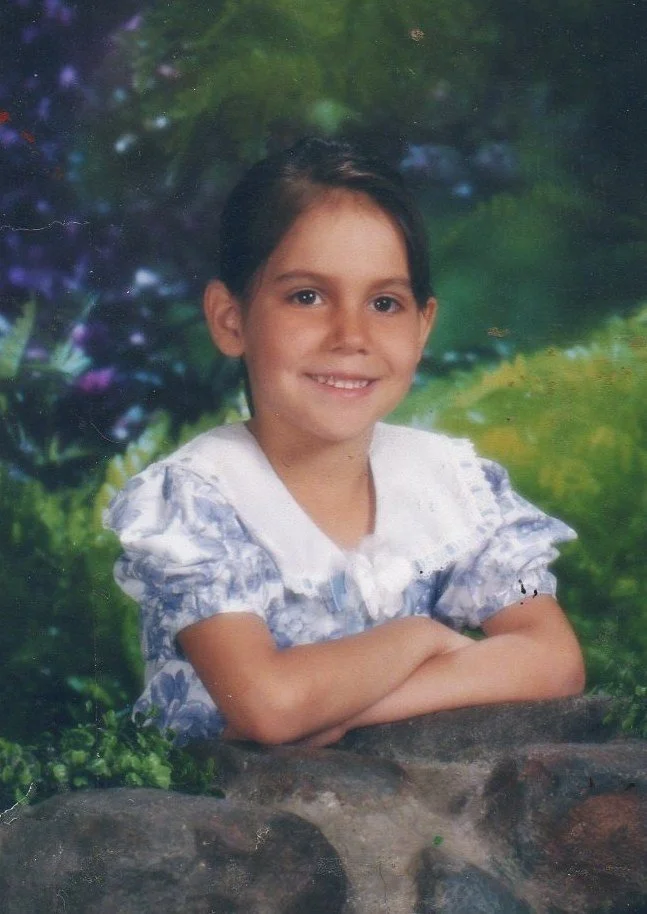
Hi, I’m Olive!
I've always had a fascination with the passage of time and finding continuity between what was, what is, and what's to come, and how that continuity weaves a thread through my identity. I've explored this interest through many different mediums and lenses, family history research being one of them.
As a third generation San Diegan, I grew up rooted in a version of San Diego articulated by the generations that came before, rooting me in a sense of home and belonging that has persisted as those generations have passed on.
My academic background in anthropology and philosophy have strongly informed the humanistic way I approach themes of identity, meaning-making, and understanding how complex institutions intersect each other to produce the lived experience.
Professionally, I work as a researcher for Ancestry.com where I collect qualitative and quantitative data to understand user needs and make product recommendations to address those needs.
Research experience
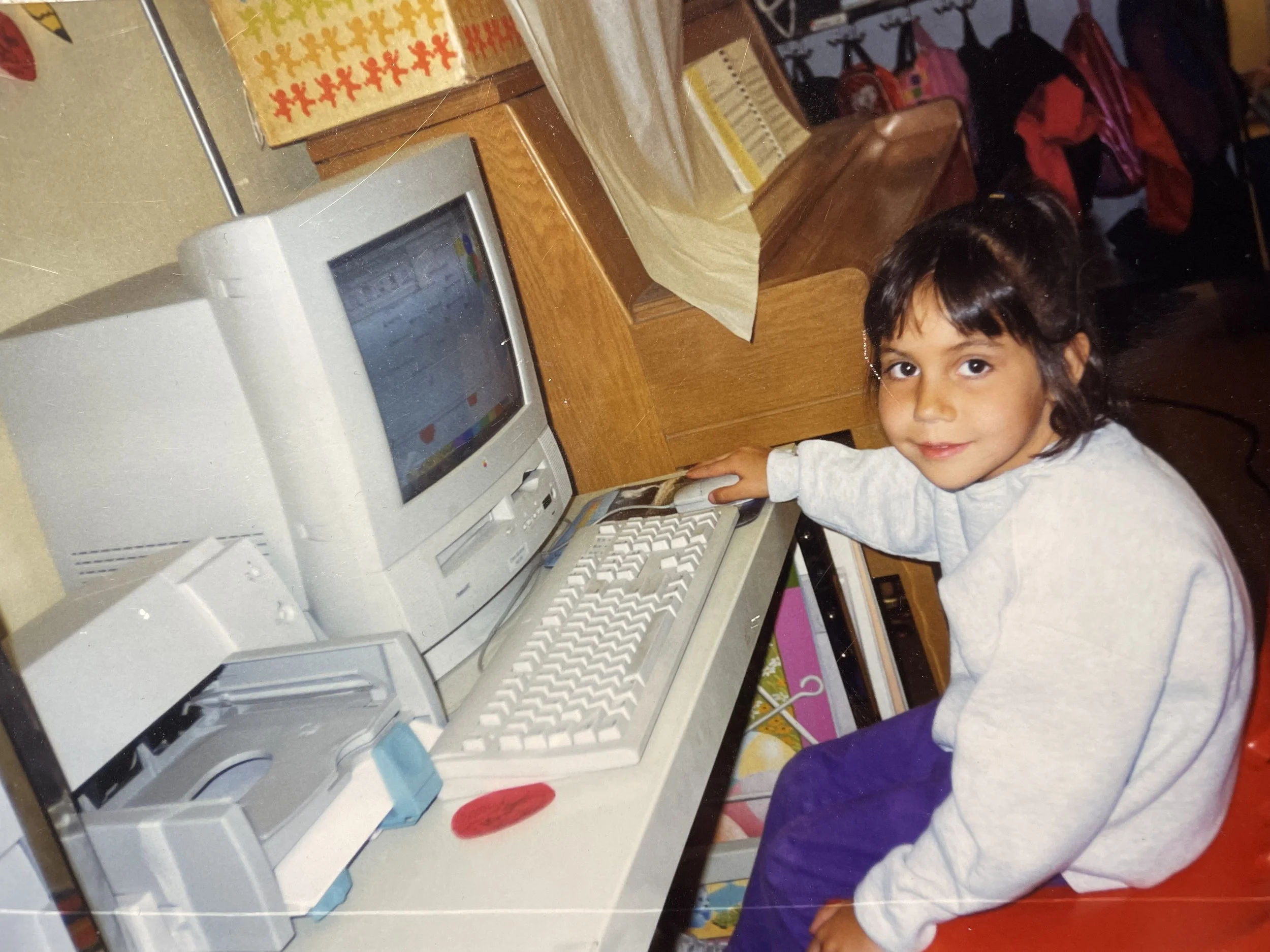
I’ve been doing some form of family history research since I was about 11 years old. I’ve always had an interest in hearing stories from relatives and poring through any and all family photos and ephemera as a way of better understanding my family and how I fit into the narrative of all these people I was socially or genetically related to. Today, I am the keeper of all my family’s documents and media that tell our family’s story.
In addition to my broader genealogy skillset, I have specific research experience with family histories that require more complex forms of research, including:
Adoptee/NPE
Mexican ancestry/documentation
Enslavement research
House histories